Art House
6 beds, 2.5 baths, 3700 sq ft, Original Victorian Features Preserved
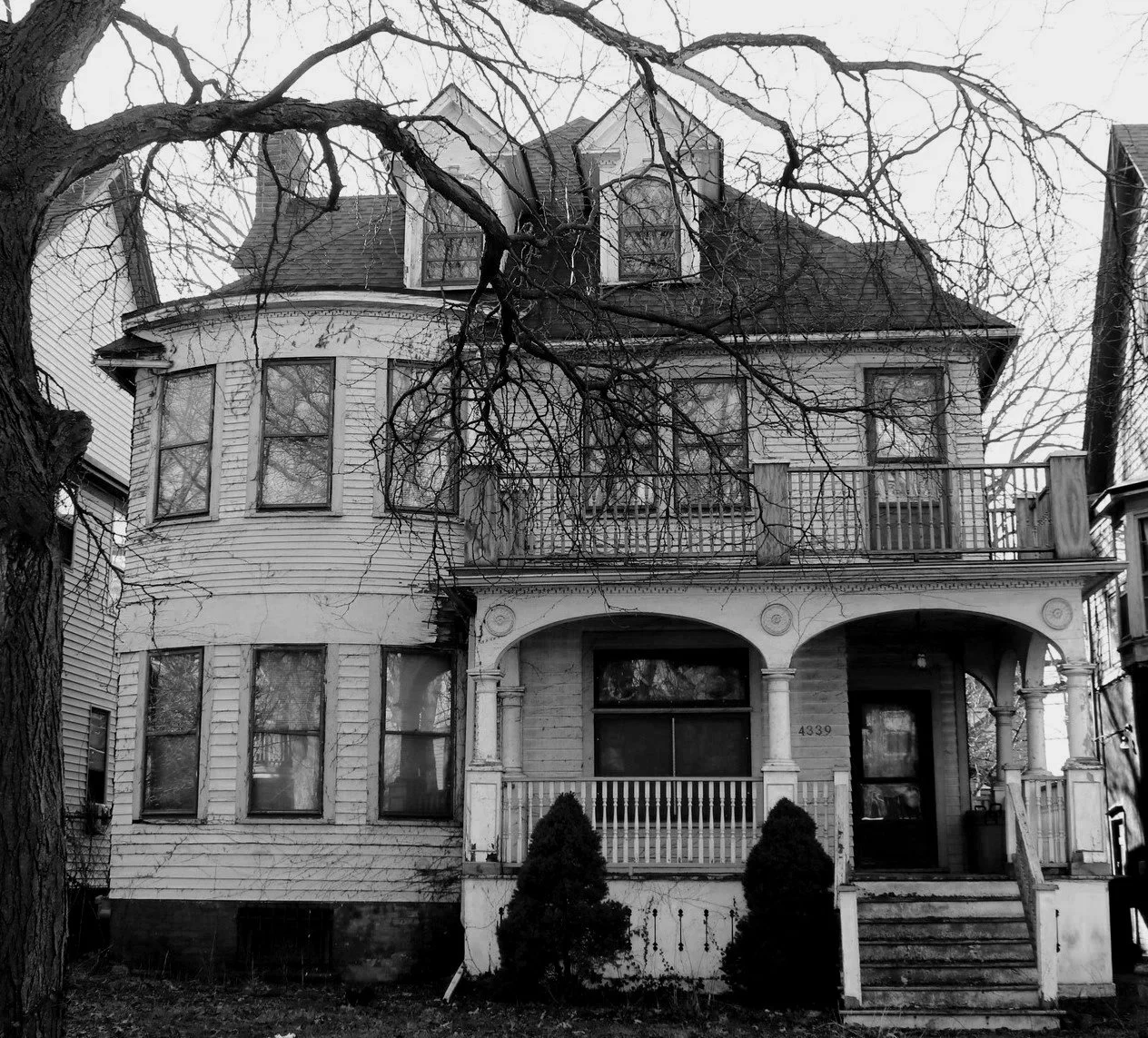
Designed by Joseph E. Mills for dressmaker Lucy A. Mason. 4339 Avery was built in 1898 in the Woodbridge Historic District, Detroit, MI.
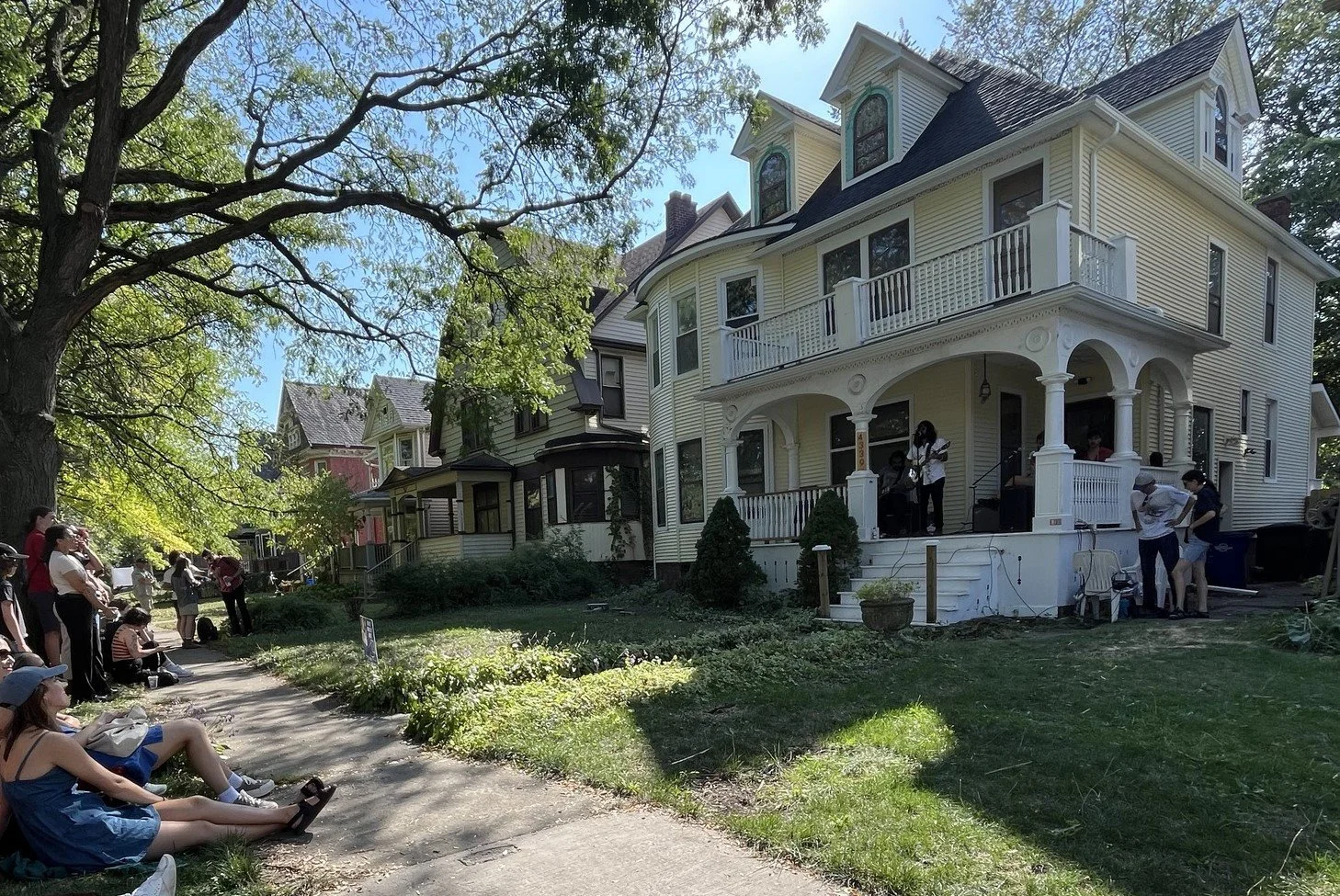
4339 Avery received some TLC in 2024 and 2025 with updated siding, windows, plumbing, and electrical. Much of the original plaster, woodwork, and stained glass windows remain showcased throughout the house, preserving its timeless charm.
Available Soon!
Why is it called Art House?
During the late 1960s, Detroit natives Ken and Ann Mikolowski became an important part of the radical artistic community flourishing in Detroit's Cass Corridor. They purchased the letterpress of the Detroit Artists Workshop and began to experiment in the basement of their house at 4339 Avery Street. Their creative works were distributed initially for free as a way to get art into the hands of everyday people. Soon, they began a subscription-based program and became known as the Alternative Press.
The Alternative Press helped to define and hold together the Detroit art community by fostering collaborations between Detroit artists and writers. As the press grew, its influence spread beyond Detroit and extended to artists across the country. Contributors ranged from the leading poets of the Beat and Black Mountain schools to the gritty voices of Detroit's Cass Corridor. The Press also served as a showcase for the work of Ken and Ann themselves. A number of times each year, the packets would feature a postcard or bookmark featuring Ann's artwork or Ken's poetry.
In addition to the Press' exceptional artistic content, the Alternative Press was distinguished by the look and design of its printed products, which stood out thanks to the Mikolowskis' creative decisions in typesetting and letterpress printing.
After a few successful years, the Mikolowskis used the Press's growing popularity to facilitate an ambitious artistic collaboration. They sent a total of 500 blank postcards to various artists and poets and told them to do whatever they wanted with the postcards. The recipients of the postcards worked alone and in tandem to craft hundreds of works of expressive, boundary-pushing, postcard-sized art and poetry. The completed postcards were included in subsequent Alternative Press mailings.